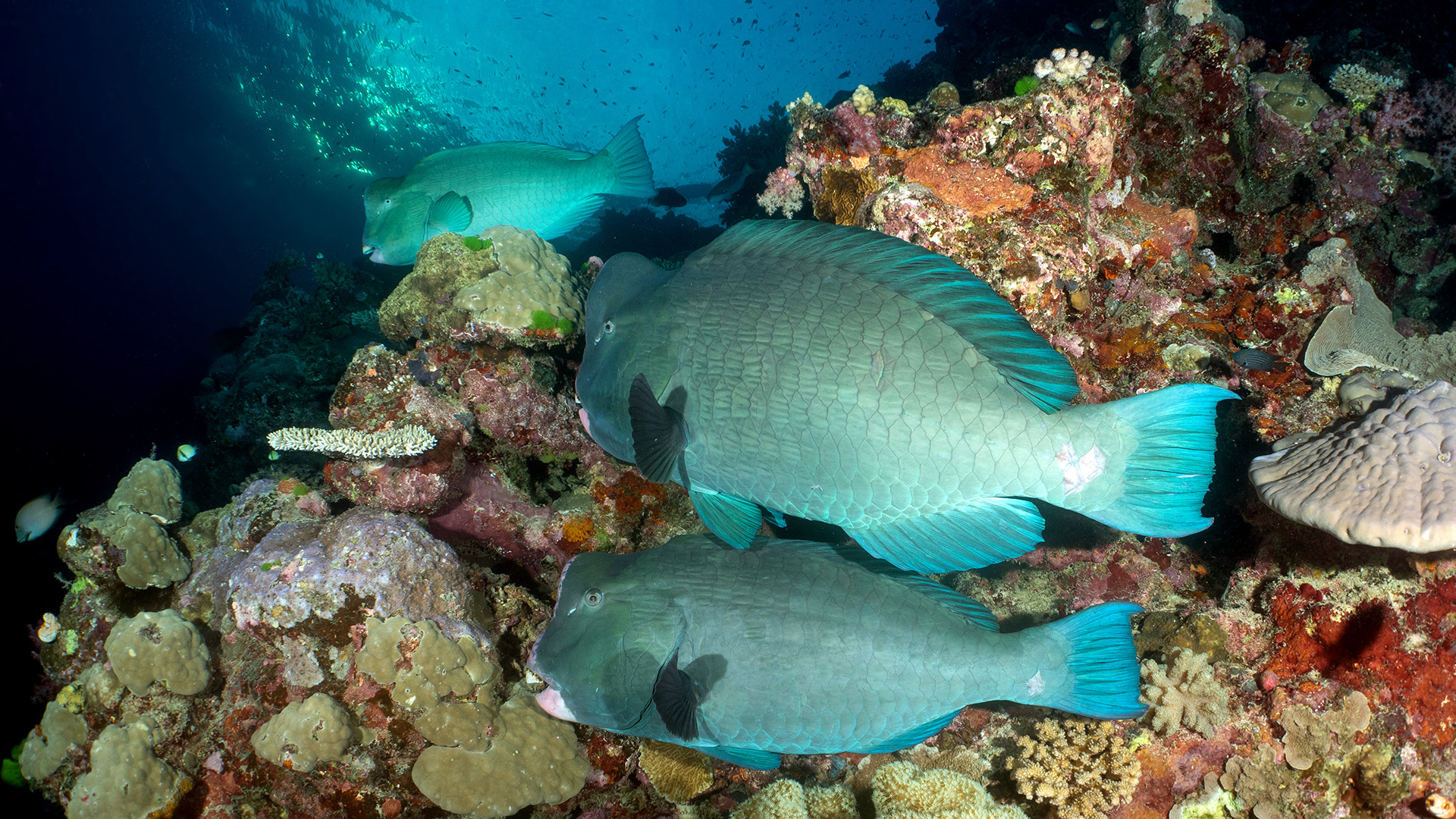
The Great Barrier Reef is home to a diverse array of marine life, and one of its most fascinating inhabitants is the bumphead parrotfish. Known for their distinct appearance and ecological importance, these large fish play a crucial role in maintaining the health of the reef. Their grazing activity helps control algae growth, which is essential for coral survival. In this blog post, we’ll explore everything you need to know about the bumphead parrotfish, including the best locations to see them, their behavior, and tips for spotting them during your next snorkeling or diving trip on the Great Barrier Reef.

Spot the iconic bumphead parrotfish on your next reef trip.
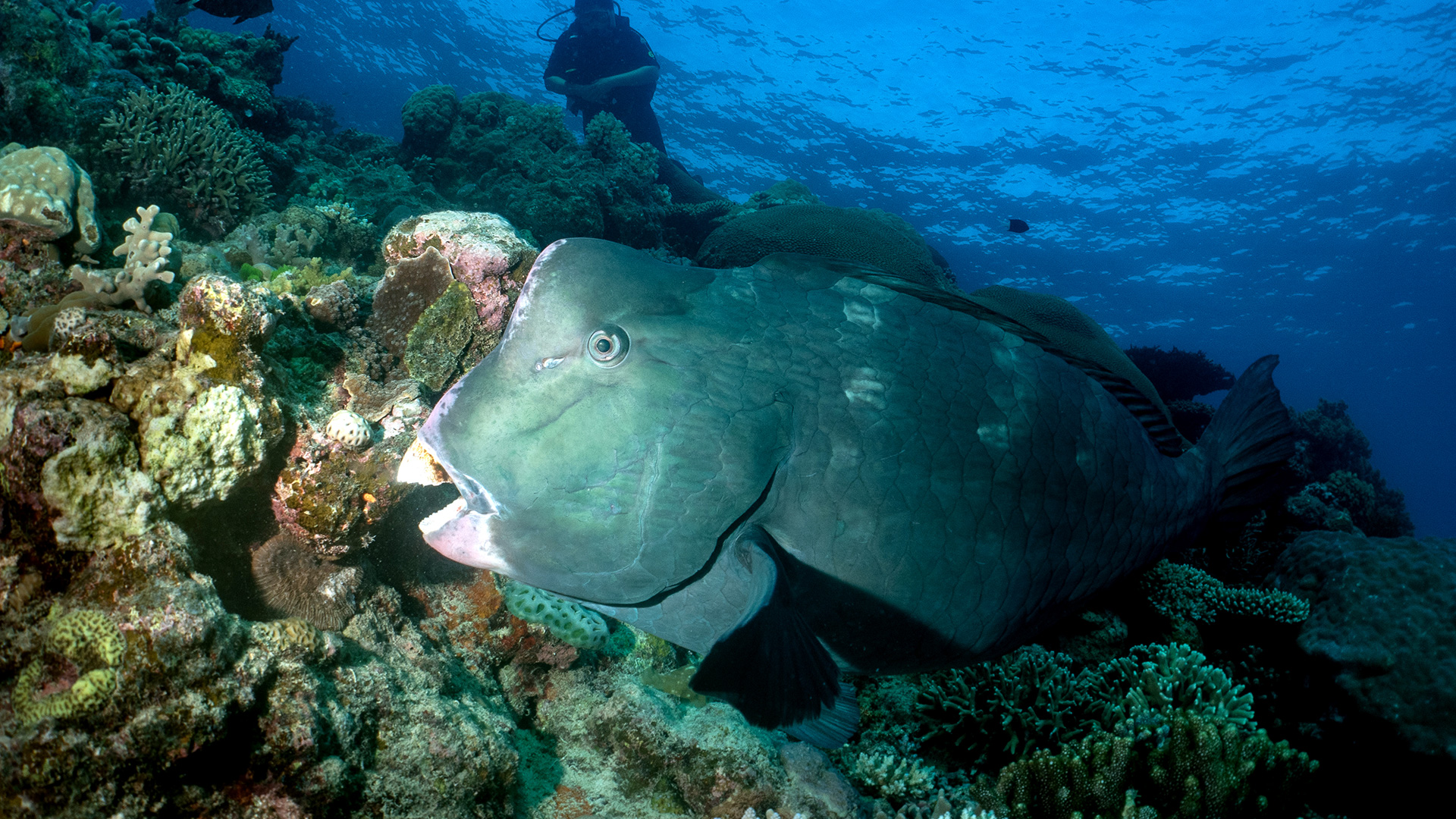
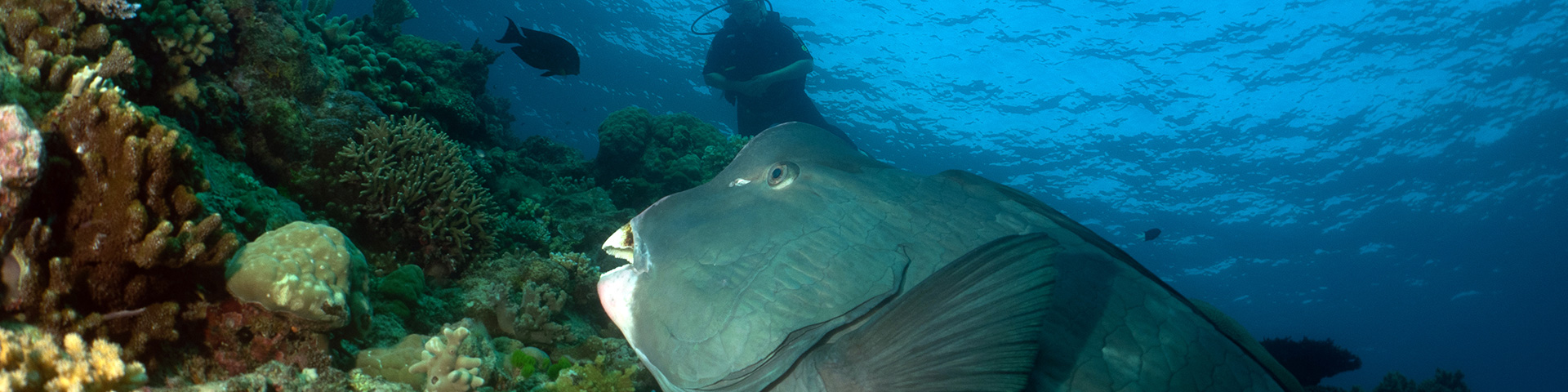
The bumphead parrotfish, also known as Bolbometopon muricatum, is the largest species in the parrotfish family. They can grow up to 1.5 meters in length and weigh as much as 75 kilograms. Their name comes from the prominent bump on their foreheads, which they use to ram coral reefs while feeding. This behavior not only sustains their diet but also contributes to the reef’s ecosystem by helping to break down coral into sand.
Despite their importance, bumphead parrotfish are classified as vulnerable due to overfishing and habitat loss. Protecting these magnificent creatures is critical for the long-term health of coral reefs, making responsible tourism and sustainable practices more important than ever.
“Bumphead parrotfish are essential to the reef’s health, creating sandy habitats and promoting coral diversity.”
Bumphead parrotfish are most commonly found in shallow lagoon areas of the Great Barrier Reef. They are often spotted in groups, especially during the early morning hours when they are most active. Look for their distinct greenish body, which features patches of pink and blue, and listen for the sound of their powerful beaks crunching coral. The best way to observe them is during a guided snorkeling or diving tour, as experienced guides know their preferred locations.
Some of the best places to see bumphead parrotfish include Norman Reef, the Cod Hole, and Osprey Reef. At Norman Reef, these giants are frequently seen grazing near coral bommies. The Cod Hole, famous for its potato cod, is another hotspot where divers often encounter bumphead parrotfish alongside other large marine species. Osprey Reef, with its pristine conditions and rich biodiversity, is a top location for spotting them in larger schools in and around North Horn. Always remember to maintain a respectful distance and avoid disrupting their natural behavior. Capturing photos or videos? Use a red filter or appropriate lighting to showcase their true colors underwater.
About these products, we are not a direct booking agent but have a partnership with Viator to allow us to make a small commision from any bookings you make from our site, this keeps the engine going and fuels our drive to create the best independant diving and snorkeling advice.
They primarily feed on coral and algae, using their strong beaks to break down coral structures.
Their name comes from the prominent bump on their forehead, used for ramming coral reefs.
No, they are not dangerous to humans and are generally shy, avoiding interaction.
They are most active in the early morning, making it the best time for sightings.
You can spot them at Norman Reef, the Cod Hole, and Osprey Reef.
They can grow up to 1.5 meters long and weigh as much as 75 kilograms.
Their grazing activity helps control algae and breaks down coral into sand, maintaining reef health.
They are classified as vulnerable due to overfishing and habitat loss.
Seeing a bumphead parrotfish in its natural habitat is a memorable experience that underscores the beauty and complexity of the Great Barrier Reef. Protecting these remarkable creatures ensures that future generations can enjoy their presence on the reef. Here’s how you can make the most of your visit:

© Cairns Dive Guide 2026